
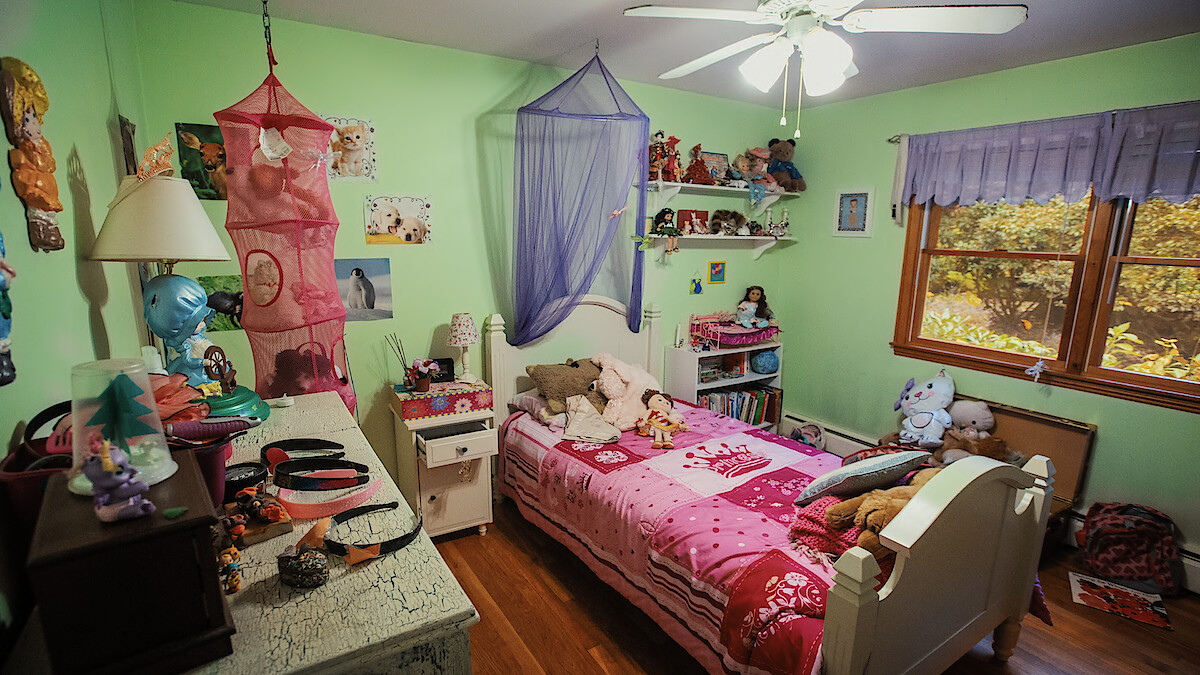
Oscar-nominated filmmaker Joshua Seftel (Stranger at the Gate) was surprised when veteran CBS News correspondent Steve Hartman reached out to discuss the possibility of chronicling the heartbreaking impact of school shootings in the United States. It had been over two decades since they had last spoken, and Seftel, who had been a producer of the feel-good stories Hartman was known for, was surprised by the turn to such devastating subject matter. But Hartman explained that the shadow of gun violence that hangs over everyday American life was too pervasive for him to gloss over anymore. He told Seftel of a project he had embarked on with photographer Lou Bopp seven years prior: a series of journeys across the country to photograph the empty rooms of children lost to gun violence, and to document the stories of their tragically short lives. The conversation resulted in All the Empty Rooms, a harrowing portrait of the seemingly never-ending grief that follows in the wake of school shootings, as well as a way to honor the undeniable memories of those lost. Here, Seftel shares his journey of making the documentary short.
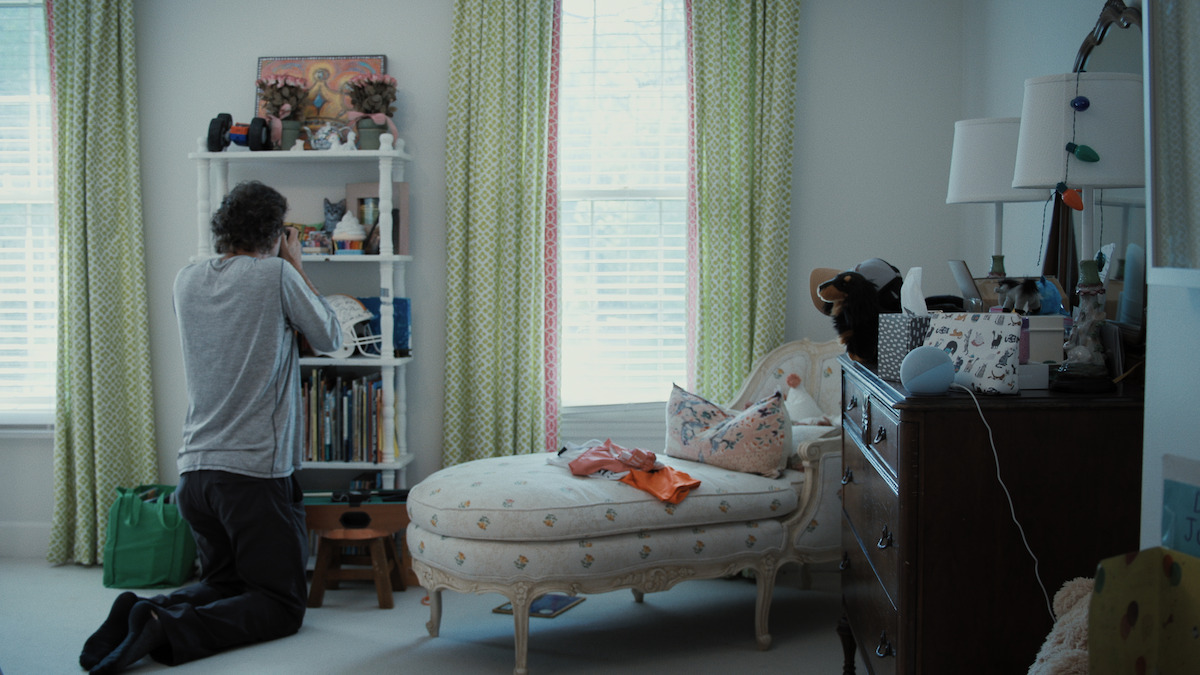
In the spring of 2023, I got a call from Steve Hartman. He said, “I’m doing a story about the empty bedrooms of children who’ve been killed in school shootings, and I wonder if there might be a documentary film in all of this.” My immediate reaction was, “Yes.” I don’t think I hesitated for a minute. We were on the road filming with Steve and Lou within weeks of the call.
Steve Hartman wrote to every family that lost a child to a school shooting since Columbine. Many of these families had never talked with the press before, but they trusted Steve. What I quickly learned is that many of these families participated because they want the world to know their child and to make sure their child is not forgotten. And that’s one thing I hope All the Empty Rooms will do.
The reporting on school shootings tends to focus on headlines and statistics, and I think that can make us numb. It makes it harder for us to truly process what is happening on a human level. We don’t usually get to know the people who were affected by these acts of violence. The reason I was so drawn to making this film is that it reframes the issue of school shootings by putting the focus on the children who were killed, and on the families who are clinging to the memory of their children through these empty bedrooms. I believe that framing makes it harder for us to ignore this or to look away — that we will never again read a headline about a mass shooting without thinking of the empty rooms.
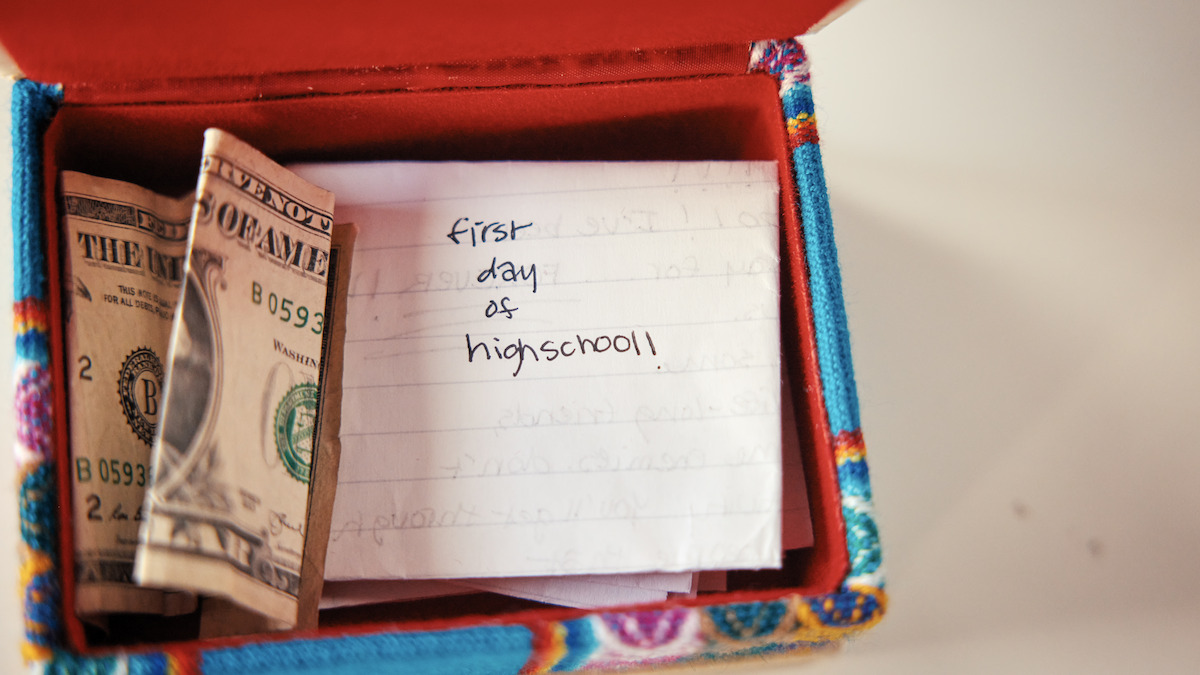
In many ways, this film is about silence. We wanted to try to give people the experience of what it’s like to step into these rooms, and to feel the absence of these children. We also spent time lingering on Lou’s photographs, the small details he captured with his camera in each bedroom — hair bands on a doorknob, a well-worn blankie, an overdue library book, a cap left off a toothpaste tube — because the photos are how we begin to understand who each child was. And words aren’t necessary for that. Each child in this film was an individual who had a rich and unique life, and I hope people will get a sense of what they liked to do, and what gave them joy. To me, this film is about loss, and to understand that loss, I think you need to understand the life that was there before.
link