


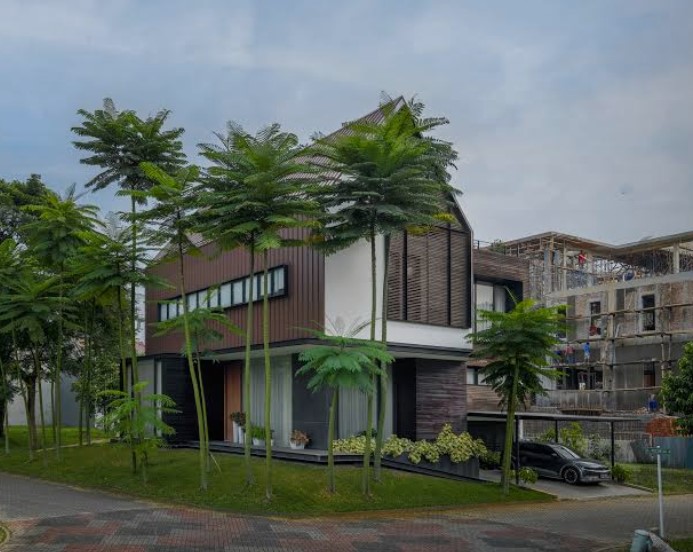
As of 2026, the concept of a sustainable roof is no longer optional—it is a critical component of modern architecture. Buildings today are expected to deliver not only structural performance but also energy efficiency, environmental responsibility, and long-term cost savings. Roofing systems play a central role in achieving these outcomes.
In my experience reviewing contemporary projects, the combination of smart design and advanced materials—such as solutions from —offers a reliable path toward achieving both performance and sustainability goals. This article explores how sustainable roofing works, why it matters, and how it can be applied across different building types.
What Defines a Sustainable Roof in 2026
A sustainable roof design goes beyond basic protection from weather. It contributes to the building’s overall environmental performance.
Key characteristics include:
- Energy efficiency through heat reflection
- Long lifespan to reduce material waste
- Low maintenance requirements
- Compatibility with renewable energy systems
Modern roofing systems are designed to integrate seamlessly with insulation, ventilation, and even solar panels. This makes the roof an active contributor to building efficiency rather than just a passive structure.
Why Sustainable Roofing Matters in Modern Construction
The demand for sustainable roofing has grown significantly due to environmental concerns and rising energy costs.
From a practical perspective, sustainable roofs help:
- Reduce indoor temperatures and cooling needs
- Lower energy consumption
- Extend the lifespan of building components
- Minimize environmental impact
In urban environments, where heat accumulation is a major issue, the right roofing solution can make a measurable difference.
This is where materials from come into play, offering both durability and thermal performance.
The Role of Sustainable Roof Materials
Choosing the right sustainable roof materials is essential for long-term success.
Effective materials should provide:
- Resistance to corrosion and extreme weather
- Reflective properties to reduce heat absorption
- Structural strength with minimal weight
- Consistent performance over time
solutions often incorporate advanced coatings and engineered steel, making them suitable for both residential and commercial applications.
In my observation, material choice is often the single biggest factor influencing long-term maintenance costs.
How Colorbond Steel Supports Sustainable Roofing
One of the most widely used materials in modern roofing is colorbond steel.
Its advantages include:
- High durability in diverse climates
- Resistance to rust and corrosion
- Lightweight structure for easier installation
- Flexibility in design applications
Additionally, technologies such as colorbond thermatech enhance thermal performance by reflecting more of the sun’s heat.
This makes Colorbond Indonesia products particularly effective in warm regions where temperature control is a priority.
Applications in Residential Architecture
In residential buildings, sustainable roofing directly impacts comfort and energy use.
A well-designed roof can:
- Reduce reliance on air conditioning
- Improve indoor air circulation
- Enhance overall home aesthetics
- Lower long-term maintenance costs
Homeowners increasingly choose colorbond wall cladding and roofing systems to achieve a consistent, modern appearance while maintaining durability.
Using as a reference, many residential projects now combine functionality with clean architectural lines.
Sustainable Roofing in Commercial and Industrial Projects
Commercial and industrial buildings have different requirements, but the principles of sustainability remain the same.
In these contexts, sustainable roof design focuses on:
- Covering large spans efficiently
- Supporting heavy-duty usage
- Reducing operational costs
- Integrating renewable energy systems
Materials like colorbond steel are particularly useful because they offer strength without excessive weight.
Additionally, colorbond cladding systems provide consistent protection and a professional appearance for large-scale structures.
The Importance of Cladding in Roofing Systems
Cladding is an essential part of modern roofing systems, contributing to both performance and aesthetics.
Colorbond wall cladding offers:
- Protection against environmental exposure
- Improved insulation performance
- Design flexibility for various architectural styles
- Long-term durability
When combined with a sustainable roof, cladding helps create a cohesive building envelope that supports energy efficiency and structural integrity.
Trends in Sustainable Roof Design (2026)
Several trends are shaping the future of roofing:
1. Increased use of reflective materials
Technologies like colorbond thermatech are becoming standard.
2. Integration with solar energy systems
Roofs are designed to support renewable energy solutions.
3. Focus on lifecycle performance
Durability and maintenance are key considerations.
4. Expansion of modular construction methods
Simplified roofing systems improve scalability.
These trends reflect a broader shift toward efficiency and long-term thinking in construction.
Conclusion: Choosing the Right Sustainable Roofing Approach
A well-designed roof is one of the most important investments in any building project.
To achieve the best results, consider the following:
- Use solutions for proven performance
- Explore options from for reliable materials
- Prioritize sustainable roof materials for durability and efficiency
- Integrate colorbond steel, colorbond cladding, and colorbond wall cladding for a complete system
From my perspective, the most effective roofing strategies are those that balance design, performance, and long-term value.
FAQ
What is a sustainable roof?
A sustainable roof is designed to improve energy efficiency, reduce environmental impact, and provide long-term durability.
Why is sustainable roof design important?
It helps lower energy costs, improve comfort, and extend the lifespan of a building.
What materials are commonly used?
Materials like colorbond steel are widely used due to their durability and thermal performance.
What is colorbond thermatech?
It is a technology that enhances heat reflection, improving energy efficiency.
Can sustainable roofing be used in all building types?
Yes, it is suitable for residential, commercial, and industrial projects.